

Craving that stunning, deep mehndi stain? You know, the kind that truly stands out!
While many believe they grasp the secrets, getting that rich, lasting color can be tricky. Often, the resulting hue appears more amber than a beautiful deep red, a common outcome when key steps are missed.
The depth of your mehndi’s final appearance relies heavily on meticulous preparation and careful aftercare. There’s a significant difference between a vibrant, long-lasting mark and a disappointing, temporary one. The techniques employed before, during, and after application are absolutely crucial for achieving the best possible outcome.
Uncovering the precise methods that genuinely make a difference is essential. These are not just any suggestions; these truly deliver exceptional results.
Here are a few easy tips to make your mehndi stain darker:
Layer your designs strategically
The most skilled mehndi artists understand that intricate, multi-layered designs retain the paste longer, creating deeper impressions on your skin. Notice how these elaborate bridal patterns incorporate several levels: fine details layered over bold motifs, all resting on geometric foundations.
Each successive layer captures more dye, forming natural barriers that slow the drying process. This allows the henna additional time to fully penetrate the skin.
Did you know? The chemical compound lawsone in henna leaves is most active at 35-40°C (95-104°F) which is why body heat and warm environments create darker stains than cold conditions.
Dos & Don’ts
Do this Scrub your palms with lemon and sugar 24 hours before this removes dead skin cells and oils that prevent the henna from penetrating properly. Apply eucalyptus oil to your palms after removing the paste the heat generated helps the stain oxidise and darken over the next 48 hours. Keep your hands warm and avoid water for 12-24 hours the longer the lawsone has to develop without interference, the darker your final color will be. Choose designs with solid filled areas dense patterns like paisleys and floral motifs hold more paste than fine line work and create richer stains.
Avoid this Never use soap or detergent on fresh mehndi stains these strip the developing dye and leave you with patchy, light color that won’t darken further. Don’t pick off the paste when it starts flaking let it fall naturally. Premature removal pulls away dye that hasn’t fully transferred to your skin. Avoid chlorinated water for at least a week swimming pools and heavily treated tap water fade mehndi faster than anything else. Don’t moisturise your palms before application oils create a barrier that prevents the henna from adhering properly to your skin.
Latest Mehndi Designs That Actually Work
Full Palm Arabic Swirl Design
This rich Arabic design covers the entire palm with prominent roses and swirling patterns, extending naturally from your wrist to your fingertips. The bold, distinct lines provide striking visual contrast against the skin, making it an excellent choice for brides seeking maximum impact. This particular design works best on larger hands, where each component has ample room to be fully appreciated.

Tip: Apply this design 48 hours before your event the deep stain needs time to develop its richest color.
Bridal Portrait Mehndi
Featuring detailed illustrations of a bride and groom surrounded by intricate paisley artwork, this design narrates a complete story across both palms. The delicate fine details necessitate a highly skilled artist but produce a stunning, memorable effect. This style is best suited for traditional ceremonies where the mehndi application itself is a significant part of the celebratory ritual.

Tip: Book your artist for a 4-hour session minimum portrait work cannot be rushed without losing detail.
Extended Arabic Forearm Pattern
This graceful design begins at the fingertips and gracefully extends up the forearm, featuring connected paisley and floral motifs. The elongated pattern creates a sleeve-like appearance that looks beautiful with both traditional and modern attire. It is ideal for individuals desiring more coverage beyond just their hands.

Tip: Wear loose sleeves during application tight clothing will smudge the upper portions while they dry.
White Henna Minimalist Design
This contemporary style utilizes white henna paste to craft delicate geometric patterns, which stand out beautifully against darker skin tones. Its temporary nature makes it perfect for events or gatherings where a striking look is desired without long-term commitment. It pairs exceptionally well with modern fusion clothing.

Tip: White henna washes off in 2-3 days, so apply it the day of your event for maximum vibrancy.
Intricate Foot Coverage Design
Dense geometric patterns filled with diamonds completely adorn the foot and ankle area in this traditional style. The repeating motifs create a beautiful textile-like effect that perfectly complements heavily embellished lehengas and ghararas. This design is essential for brides who will be barefoot during specific ceremonies.

Tip: Start with feet first they take longer to dry and you’ll need to avoid walking for at least 2 hours.
Matching Forearm Hearts Design
Two complementary designs form a heart shape when the hands are brought together, framed by intricate paisley work that extends up both forearms. This romantic concept is perfectly suited for engagement ceremonies and couple photo shoots. Its symmetrical nature demands precise execution from your artist.

Tip: Practice the hand positioning beforehand you’ll want to recreate this pose for photos once the mehndi is complete.
Bold Shoulder Statement Design
An unexpected placement transforms the shoulder and upper arm into a canvas for expansive paisley and floral patterns. This contemporary approach is ideal for off shoulder blouses and modern lehengas. It is perfect for those who wish to display mehndi in a distinctive way.
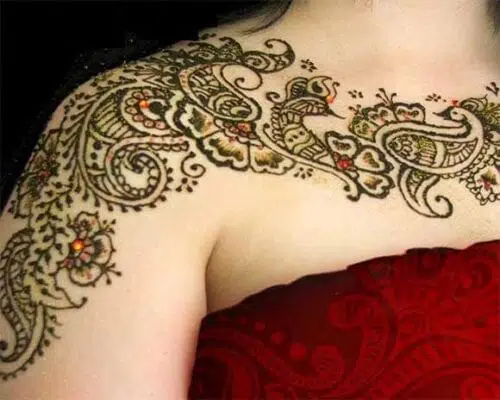
Tip: Choose tops with wide necklines or strapless designs to show off the full pattern without fabric interference.
Geometric Feather Pattern
Sharp, architectural lines form a feather like design that flows along the forearm with remarkable precision and symmetry. This contemporary style appeals to minimalists who prefer mehndi that resembles modern art. It is ideal for fusion events where traditional elements blend with contemporary aesthetics.

Tip: This design photographs beautifully in black and white plan some artistic shots to highlight the geometric precision.
Delicate Finger Web Design
Fine patterns connect across the back of the hand and extend along each finger in coordinated bands and swirls. This airy design is suitable for everyday wear and professional environments where subtle ornamentation is preferred. It works wonderfully for individuals who use their hands frequently and require designs that do not interfere with activities.

Tip: Keep finger movements minimal for the first hour this intricate connecting work is easily disturbed while wet.
Artistic Lips Illustration
This creative interpretation features mehndi patterns filling the outline of lips, blending traditional paisley work with modern graphic design. This artistic approach serves as inspiration for wall art or for artists aiming to demonstrate pattern versatility. It is perfect for creative portfolios and unique photo concepts.

Tip: Use this as practice for developing your own signature style combining familiar motifs in unexpected ways.
Flowing Black Mandala Design
This dramatic black mandala design flows elegantly from the shoulder to the chest, creating an artistic statement perfect for special events. The intricate geometric patterns and graceful curves complement the body’s natural contours, making it an excellent choice for modern brides who desire something striking yet classic.

Tip: Choose designs that follow your body’s natural curves rather than fighting against them for the most flattering result.
Colorful Glitter Accent Mehndi
Traditional henna receives a contemporary touch with blue and coral glitter accents that shimmer beautifully in the light. This fusion approach is perfectly suited for younger women attending mehendi functions or music festivals, where you want your mehndi to look stunning under various lighting conditions.

Tip: Apply glitter while the henna paste is still slightly damp so it adheres properly and lasts longer.
Dense Bridal Foot Coverage
This comprehensive foot design exemplifies the classic bridal aesthetic with elaborate mandala centers and detailed filling patterns. The rich application creates a luxurious appearance that is essential for Pakistani and Indian brides, extending gracefully up the ankle for maximum impact.

Tip: Keep feet elevated for at least 4 hours after application to ensure the deepest possible stain on this much coverage.
Geometric Finger Band Pattern
Clean geometric bands encircling each finger create a modern, structured look ideal for individuals who prefer minimalist designs. A central mandala on the palm serves as a focal point, while the finger bands add symmetry and sophistication for everyday wear.

Tip: Geometric patterns require steady hands and consistent spacing practice the finger bands on paper first.
Statement Jewelry-Inspired Design
This design emulates the appearance of elaborate hand jewelry with its chain like patterns and decorative motifs. The single finger coverage combined with palm detailing creates an elegant balance, perfect for cocktail parties or smaller celebrations where you desire something eye catching yet not overwhelming.

Tip: Leave strategic negative space to create the illusion of actual jewelry rather than filling every area with pattern.
Bold Palm Mandala Focus
A striking spiral mandala dominates the palm, while graceful finger patterns add movement and energy. This design works exceptionally well for individuals with longer fingers, as the flowing elements visually lengthen the hand shape and create elegant lines, ideal for dance performances or cultural events.

Tip: Start with the central mandala and work outward to ensure proper proportion and symmetry in your overall design.
Tribal Geometric Patterns
Sharp geometric forms and motifs inspired by tribal art create a unique blend that appeals to individuals seeking something different from traditional florals. The strong black and white contrast in this style photographs beautifully and complements both modern and ethnic attire.

Tip: Use a fine tip applicator for crisp geometric lines and allow each section to dry before moving to adjacent areas.
Delicate Chain and Mandala Combo
Intricate chain patterns link a central mandala to detailed finger work, giving the impression of delicate hand jewelry. This refined approach suits professional women who desire beautiful mehndi that is suitable for office settings while still honoring classic aesthetics.

Tip: Practice chain patterns separately before incorporating them into larger designs for consistent link sizes.
Matching Hand and Foot Coordination
Perfectly synchronized hand and foot designs, featuring central mandalas with radiating patterns, create a unified bridal appearance. This symmetrical approach ensures your mehndi looks stunning from every perspective, making it ideal for brides who want their henna to flawlessly complement their entire wedding aesthetic.

Tip: Plan your hand and foot designs together from the start to ensure they complement rather than compete with each other.
Fusion Rose and Skull Artistry
This artistic blend combines traditional rose motifs with contemporary skull imagery, resulting in a distinctive design for individuals who wish to explore creative boundaries. The detailed shading and artistic components make this perfect for tattoo enthusiasts or alternative fashion lovers who still appreciate henna art.

Tip: Complex artistic designs like this require multiple sessions and touch ups to achieve the detailed shading shown.
Bold Bridal Statement with Traditional Motifs
This full sleeve design merges intricate paisley patterns with geometric details, producing a dramatic bridal appearance. The interplay between delicate line work and bold filled sections adds depth and visual interest. It is perfect for brides seeking extensive coverage without overpowering their subtle features.

Tip: Choose designs that flow with your arm’s natural curves rather than fighting against them.
Classic Palm Circle with Finger Detailing
A central circular mandala provides the foundation for this traditional design, with delicate finger patterns creating balance. The symmetrical approach is excellent for formal events and photographs well from all angles. It is ideal for those who prefer structured, geometric mehndi over flowing, organic shapes.

Tip: Keep finger designs proportional to your hand size too much detail on small hands looks cluttered.
Geometric Lotus with Bold Borders
This palm centered lotus design features crisp geometric lines and dotted edges for a contemporary feel. The square framework provides structure, while the floral center softens the overall aesthetic. It is best suited for modern brides who appreciate traditional motifs interpreted with a fresh perspective.
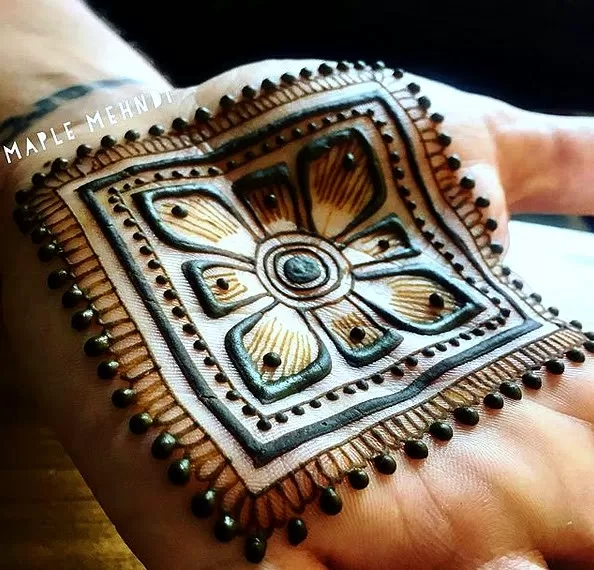
Tip: Dark, consistent borders help define your design and make it photograph better in natural light.
Mixed Pattern Celebration Design
This design skillfully combines various pattern styles across the fingers and palm, offering visual diversity. Mesh work, florals, and geometric shapes create an eclectic yet harmonious appearance. It is perfect for festival celebrations where you desire something unique but not overly formal.

Tip: When mixing patterns, stick to the same line thickness throughout for consistency.
Vintage-Inspired Paisley with Fine Details
Intricate paisley patterns adorn the back of the hand, featuring delicate filling patterns that create texture without appearing heavy. The vintage aesthetic appeals to those who appreciate classic mehndi styles with a timeless quality. It works beautifully for engagement ceremonies and intimate gatherings.

Tip: Fine detail work like this requires steady hands book your artist when they’re fresh, not at the end of a long day.
Symbolic Feet Design with Traditional Elements
Prominent circular motifs on the feet establish striking focal points, while vine like patterns connect the various design elements. The contrast between thick outlines and delicate inner details adds visual depth. It is ideal for brides who wish for their feet mehndi to complement, rather than compete with, their hand designs.

Tip: Feet designs should be bolder than hand mehndi since they’re viewed from a distance.
Ornate Paisley with Mesh Detailing
This design showcases the classic paisley motif with elaborate mesh work and decorative borders throughout the fingers. The dense detailing creates a rich, luxurious look, perfect for main wedding events. It is best for those who embrace bold, statement mehndi that captures attention.

Tip: Heavily detailed designs like this need 6-8 hours to develop proper color plan your timing accordingly.
Key takeaways
Design placement should follow your hand’s natural curves rather than working against them
Balance detailed sections with negative space to prevent overwhelming the overall look
Choose consistent line thickness throughout mixed pattern designs for visual harmony
Feet mehndi needs bolder motifs since it’s viewed from greater distances
Book your mehndi artist when they’re fresh and focused for intricate detail work
Plan for 6-8 hours development time after application for rich, deep color


