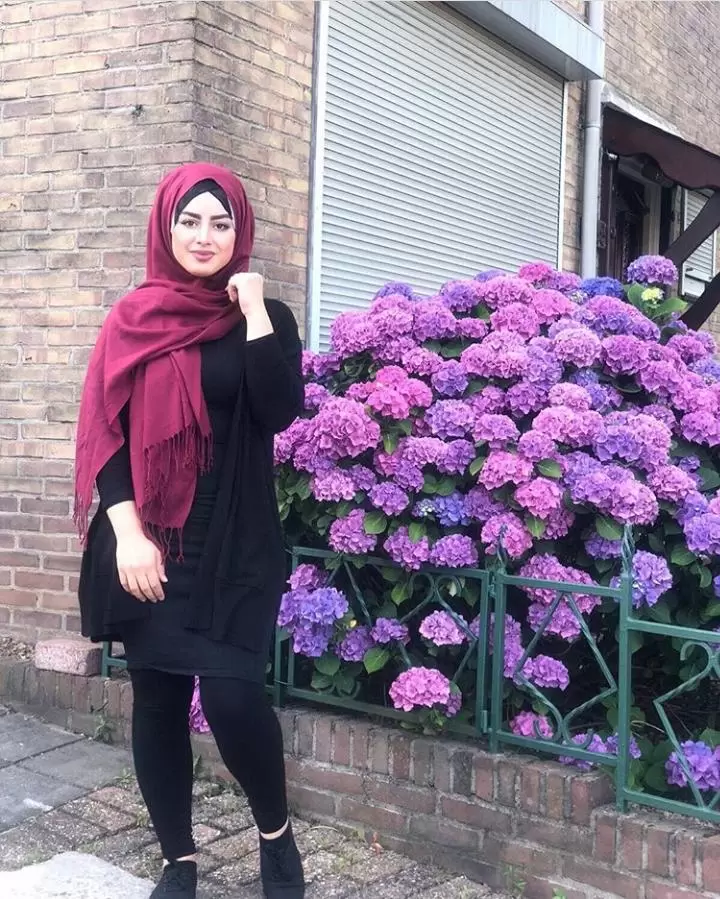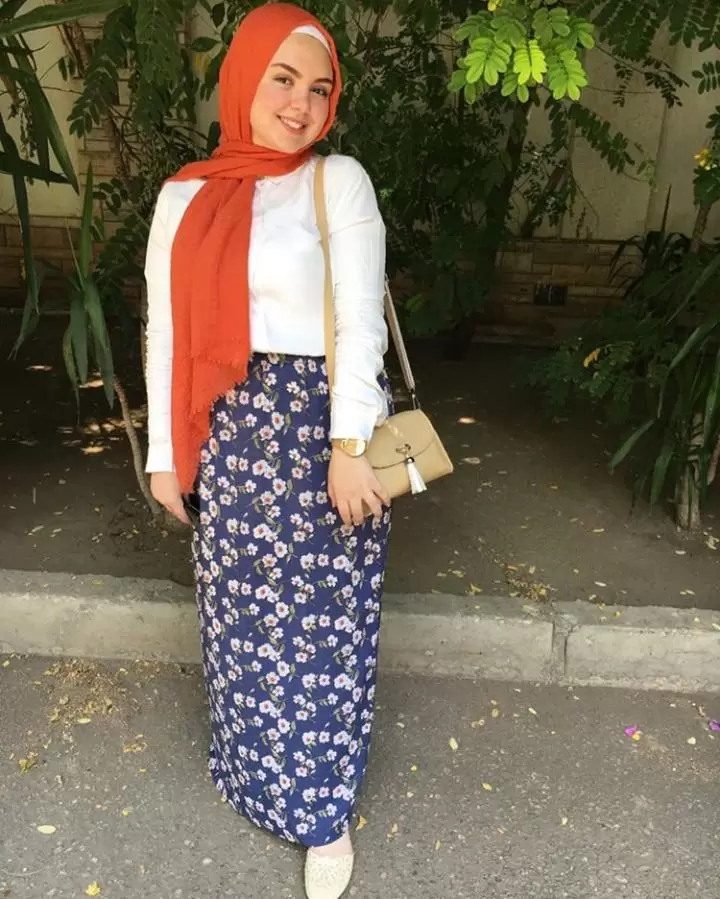
Discovering fresh ways to embrace hijab styles is an exciting journey! From initial attempts to sophisticated wraps, a world of beautiful options awaits. These tutorials will guide you through ten popular hijab looks, perfect for any occasion.
Step by Step Hijab Tutorial
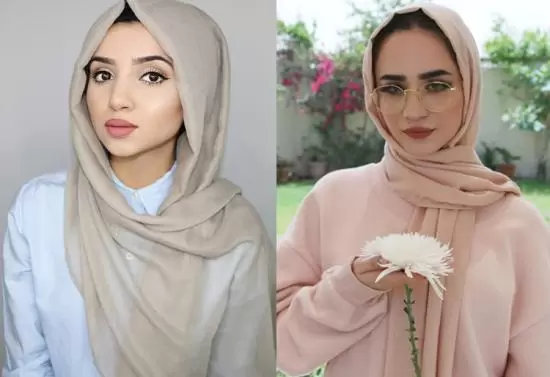
For individuals new to wearing a hijab, these simple instructions are a great starting point.
Begin by acquiring one or two neutral colored hijab caps and hijabs. Confirm that the material of both the caps and the hijabs offers comfort and suits the current weather.
Opting for smaller sized hijabs is also beneficial, as they are often easier for beginners to manage. Position the cap on your head, ensuring it fits correctly.
It should not be too loose, risking it slipping off, nor too tight, which could cause discomfort. Many hijab caps feature back strings, allowing you to adjust the fit to your preference.
Once the hijab cap, also known as an under-scarf, is firmly in place, drape the hijab over your head. Align its center on your forehead, allowing both ends of the scarf to fall evenly on either side.
You may then arrange the scarf’s ends in any comfortable manner.
Consider pulling both ends towards the back in opposite directions, or perhaps taking one end back while letting the other hang forward, similar to a neck scarf style.
Beginner Level Styles
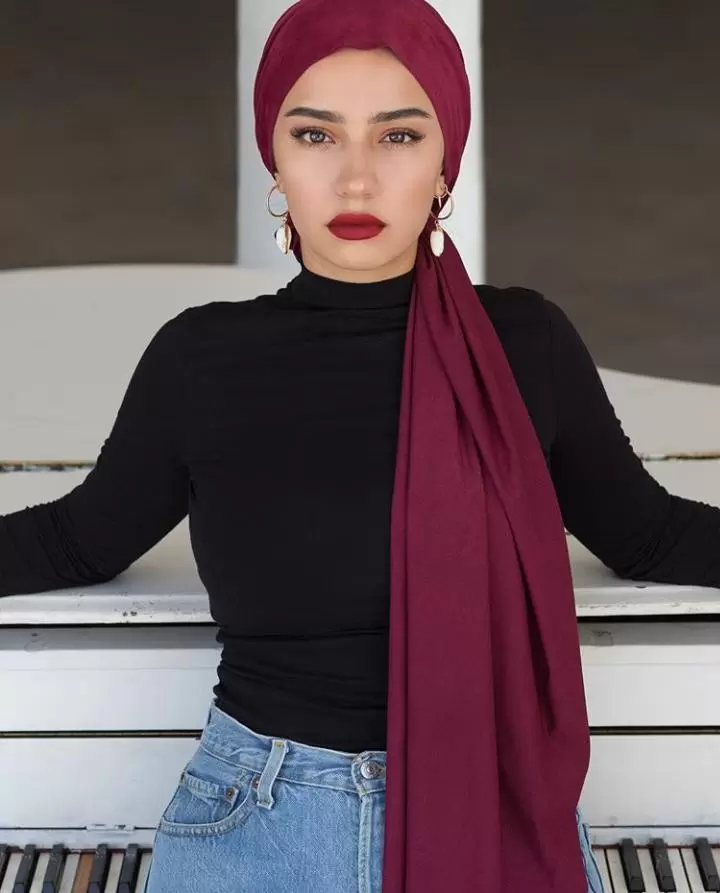
1 – Ponytail Style
To achieve this look, position the hijab so its middle sits on your forehead, then gather the ends at the back and secure them with a knot. If knotting behind your neck is uncomfortable, a ponytail can also hold both ends together.
Bring both ends forward afterwards and arrange the layers around your head. This particular style complements Western attire exceptionally well.
2 – Loosely Tied Hijab
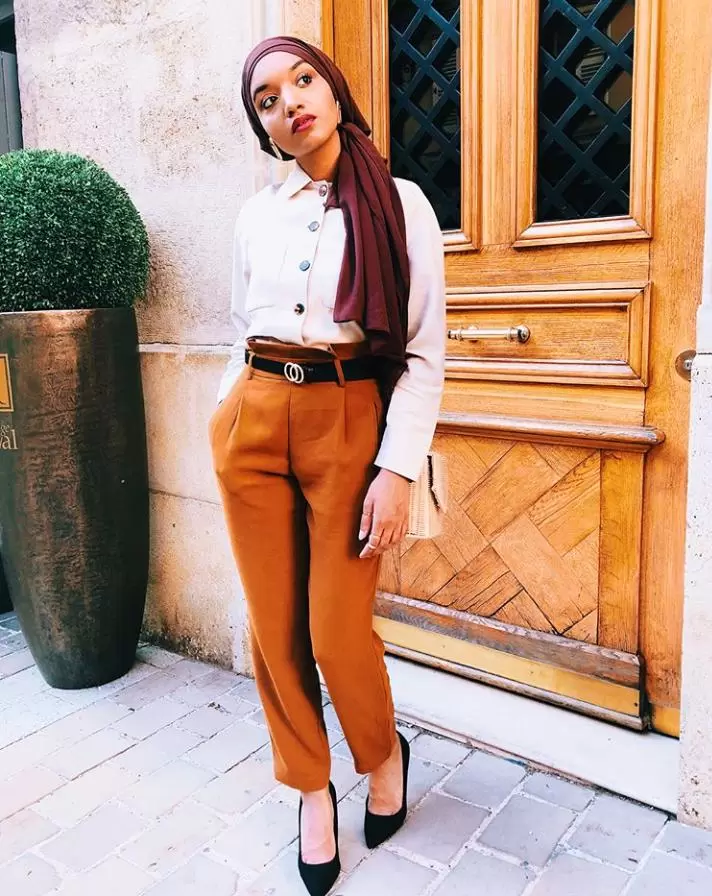
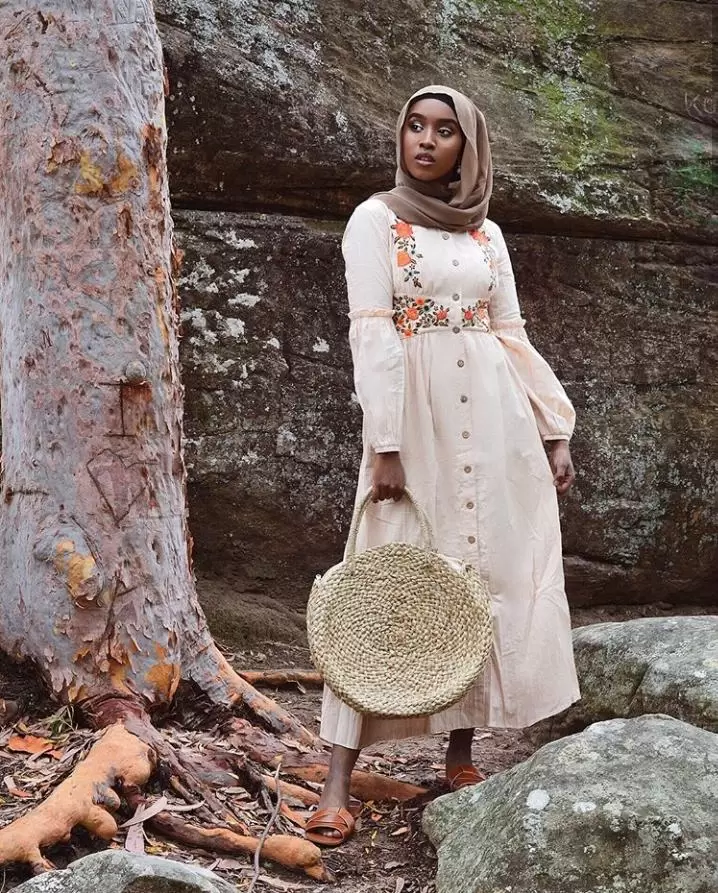
If you reside in a warm climate and struggle with a hot, unkempt hairstyle, here is a straightforward solution.
This brown scarf, tied with a relaxed drape, is truly admired. It not only provides ample air circulation but also maintains a very fashionable appearance.
This relaxed look is suitable for professional environments or when running daily errands. Wearing a hijab cap underneath helps to fully cover your hair, ensuring you stay both modest and cool.
3 – Criss-Cross Hijab
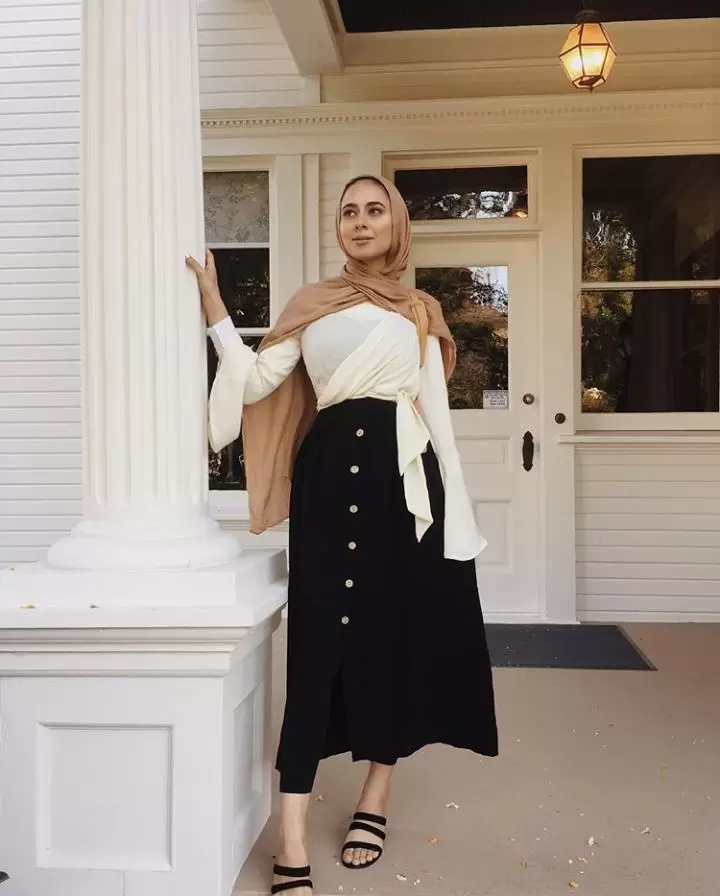
Elevate your traditional ensemble with this effortless yet chic method.
Many individuals prefer not to tightly wrap scarves around their faces and often seek alternative approaches. This gently draped scarf provides considerable space and flair.
Investing in various nude tones allows for numerous styling possibilities. You can achieve this effect with any fabric, including chiffon, silk, viscose, and cotton, simply by crossing both ends of the hijab.
4 – Long Wrap
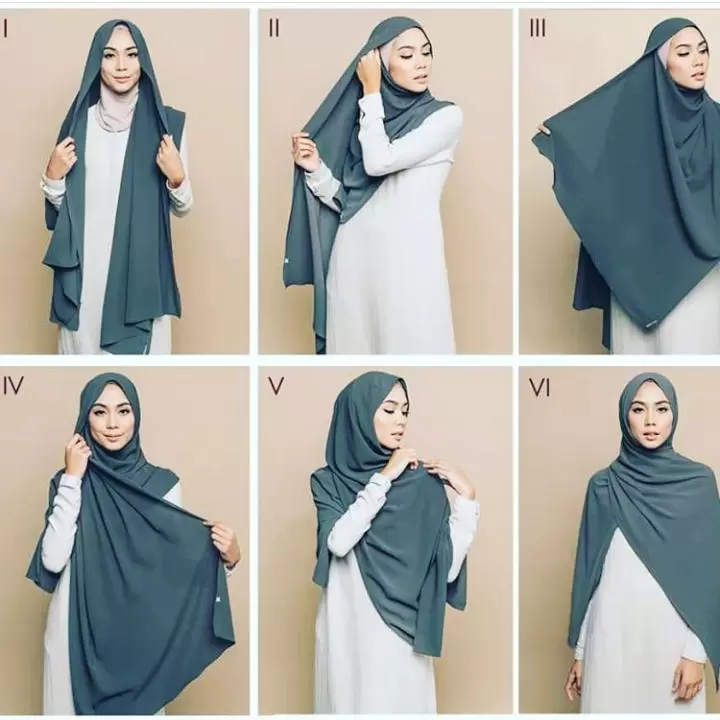
Here is a superb way to cover up while maintaining an easy elegance.
Take a rectangular piece of cotton silk fabric and drape it over an under scarf. While an under scarf is optional, it does help prevent the cotton silk from slipping.
Pin the right half of the fabric above your left ear, allowing the excess to fall over the left shoulder. Next, pin the left section of the fabric onto your right shoulder.
Although the procedure may seem intricate initially, it is quite simple to execute. This hijab style pairs beautifully with an Abaya or any long dress.
Intermediate and Expert Level Styles
5 – Turban Wrap With Top Knot
If you feel at ease with your neck visible while wearing a hijab, this style is ideal for you to try.
If not, you can still achieve this look by pairing it with a turtleneck or an additional neck scarf. Here is how to create this style:
Start with one end: Position one end of the scarf on your head, slightly off center, ensuring it covers the back of your head and the base of your bun.
Wrap around: Take the longer portion of the scarf and wrap it around your head, covering your bun and overlapping the shorter end. Continue this wrapping motion until you reach the opposite side of your head.
Create the top knot: Once the scarf is wrapped around your head, gather the remaining fabric at the crown of your head to form a knot. You may twist the fabric and wrap it around the bun, securing it with pins if necessary.
Adjust the layers: After forming the top knot, carefully arrange the scarf’s layers to ensure they are smooth and evenly spread. You can gently pull the fabric to create more volume or reposition the scarf to your preference.
Secure the ends: Tuck any loose ends of the scarf beneath the wrapped layers to hold them in place. Use pins or clips if needed to keep the fabric secure and prevent it from coming undone.
Final touches: Once the turban hijab with the top knot is secure, take a moment to smooth any wrinkles or uneven spots in the fabric and make any final adjustments for a refined and fashionable appearance.
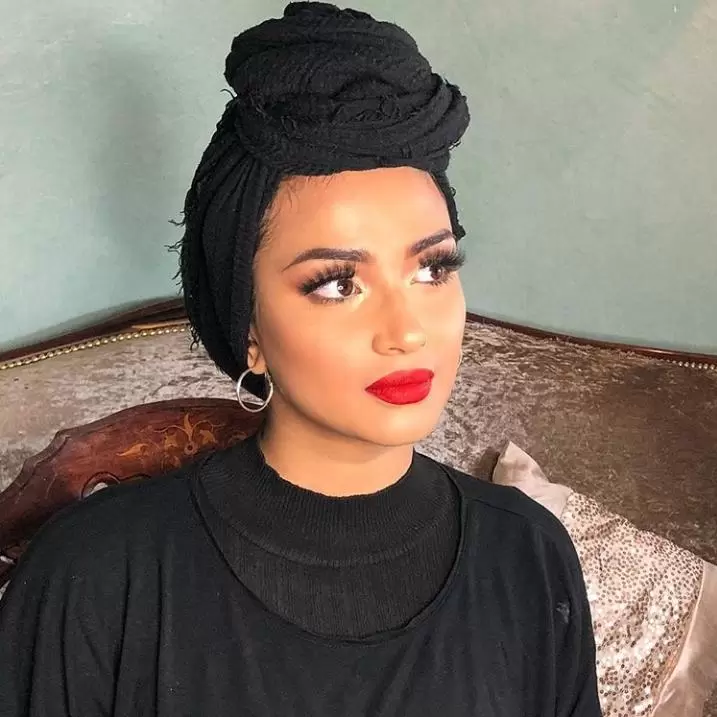
6 – Layered Hijab
This Arab inspired style focuses on adding texture and fullness by creating various folds and pleats in the scarf. You may experiment with different folding methods, such as accordion folds or diagonal pleats, to achieve your desired visual effect.
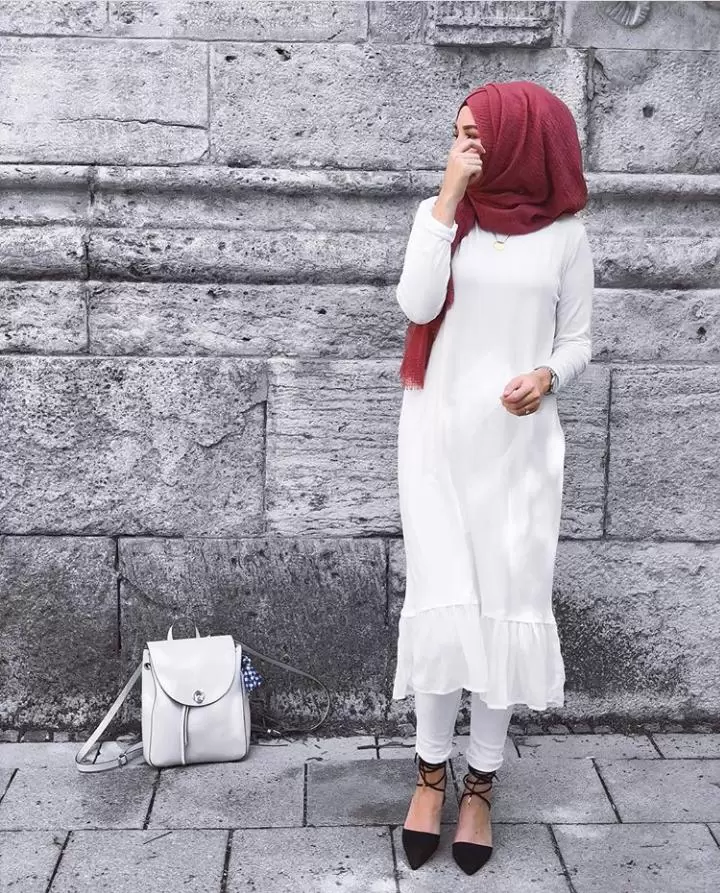
7 – Turkish Hijab Style
Turkish style hijabs typically feature a distinct pointed edge at the top and frequently incorporate an under cap or an additional scarf.
To achieve this pointed effect at the crown, gently adjust the scarf’s ends beneath your chin and then pinch the top of the hijab. This creates the desired pointed shape.
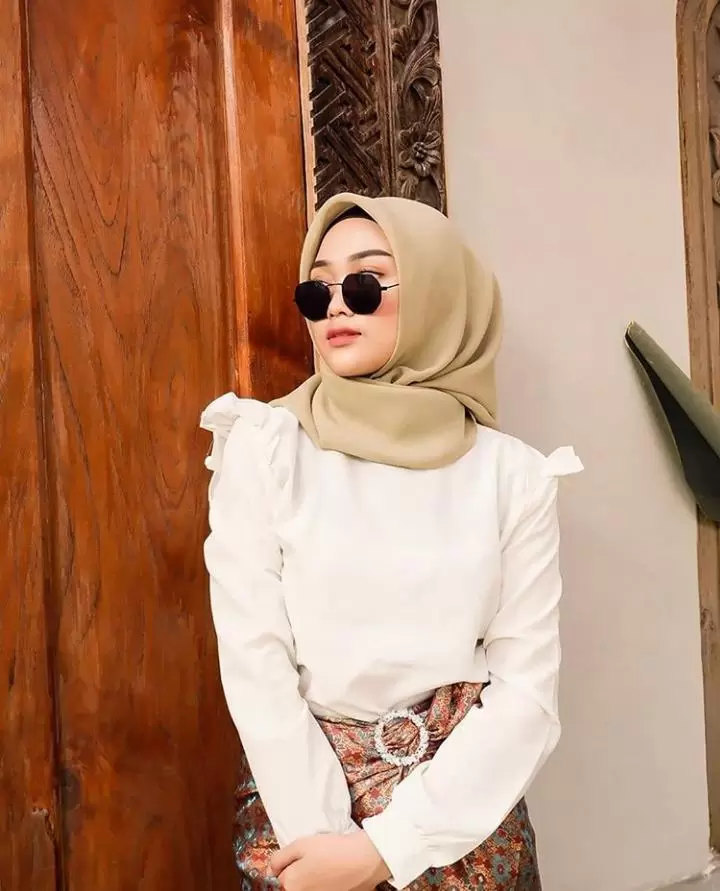
8 – Voluminous Hijab Look
9 – Neck Wrap
This style resembles the voluminous hijab look or a pleated hijab, but with the loose ends wrapped around the neck instead of hanging freely.
This approach is highly recommended for those in colder regions, as it provides significant warmth.
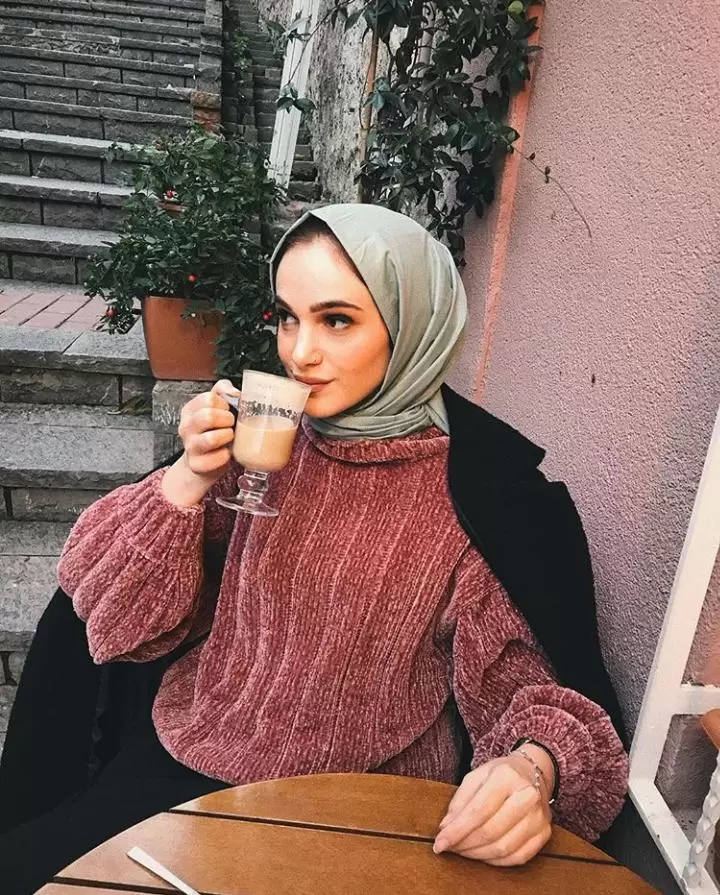
10 – Arab Style
For a traditional Arab look, wear your hijab with several layers. This can be styled as a turban wrap or draped around the face.
Ensure a small scarf is worn beneath the main upper scarf. Selecting a vibrant or patterned scarf for the top layer creates a stunning visual.
The addition of a fringed scarf enhances the overall outfit with elegant details. This bright accessory introduces a lovely pop of color to a simple, black ensemble.
You might want to avoid this style in hot climates, as it could lead to excessive warmth. However, it is certainly suitable for wear during autumn and winter months.