

Preparing for an Indian wedding is more than just choosing an outfit; it is about stepping into a vibrant celebration. These multi day events are filled with joy, culture, and stunning fashion.
Navigating the diverse dress expectations for each ceremony, from the energetic mehendi to the elegant reception, ensures you fully partake in the magic. With a bit of understanding, dressing for these occasions transforms into an exciting and rewarding style journey, where embracing the cultural grandeur and personal comfort leads to a truly memorable experience.
Styling Tips
Embrace vibrant colors and rich textures; this is not the moment for a muted color scheme. Indian weddings are a showcase of abundance, and your attire should reflect this lively spirit.
Guests sometimes worry about being “too much,” but at these events, lavishness is often celebrated. Deep jewel tones like emerald green, sapphire blue, and ruby red are excellent choices, particularly when paired with gold accents.
Thoughtfully layer your jewelry, but avoid wearing every piece at once. If choosing prominent earrings, keep your necklace simpler.
Should you opt for a dramatic necklace, select smaller earrings. Overloading on jewelry can make your look appear more like a costume than a festive ensemble.
Consider the event location and time of day for each ceremony. Morning events frequently occur outdoors, suggesting breathable fabrics and adequate sun coverage.
Evening receptions are typically more formal and air conditioned, making them suitable for richer silks and more elaborate styles. A light shawl is always a good idea, as Indian venues can have strong air conditioning.


Did you know?
The custom of wearing red at Indian weddings dates back over 5,000 years, when red dye was so expensive that only affluent families could afford it for their daughters’ wedding attire.
Plan for swift outfit transitions between events. Indian weddings often feature multiple celebrations in a single day, and you will want to refresh your appearance. Choose versatile items such as a beautiful blouse that works both with a sari drape and with palazzo pants, or jewelry that complements various color schemes.
Invest in appropriate undergarments for traditional Indian silhouettes. A well fitting strapless bra is crucial for most Indian formal wear, and shapewear tailored for saris and lehengas helps outfits drape gracefully. This practice is not about vanity; it ensures the clothing achieves its intended look.
Think about photography when selecting metallics and embellishments. Indian weddings involve hours of photos, frequently with flash.
Heavily sequined outfits can produce glare, while certain metallics photograph beautifully. Gold thread work is often preferred over large sequins for this reason.
Dos & Don’ts
Do this
Research local customs; Punjabi weddings differ from Tamil ones. Understanding these distinctions shows respect and guides your style choices.
Inquire about specific event dress codes. The mehendi might be relaxed and vibrant, while the main ceremony could be more formal and traditional.
Choose light, natural fabrics like cotton, silk, and linen blends. These will keep you comfortable during extended celebrations and multiple outfit changes.
Bring extra jewelry. Indian festivities are dynamic, and delicate pieces might break during dancing and revelry.
Avoid this
Wearing white or black as your primary color. White is often associated with mourning in many Indian cultures, and black can be seen as unlucky at celebrations.
Choosing overly revealing styles. Traditional Indian weddings are family oriented events spanning multiple generations, so modest coverage demonstrates cultural consideration.
Wearing leather accessories. Many Indian families observe religious customs that consider leather unsuitable for sacred ceremonies.
Skipping hair accessories. Flowers, decorative pins, or small jewelry pieces for your hair are anticipated elements of the complete look, not afterthoughts.
Indian Summer Wedding Guest Outfits
Red Cold-Shoulder Maxi with Embellished Belt
This red maxi dress achieves an ideal balance between traditional color and a modern design, featuring cold shoulder sleeves and a fitted bodice. The embellished belt accentuates the waist, while the flowing skirt provides comfort in summer temperatures. This choice is wonderful for evening ceremonies, allowing you to embrace the classic red palette without a sari.

Textured Red Tunic and Palazzo Set
A textured tunic paired with palazzo pants offers the modesty and ease necessary for extended wedding celebrations. The all red coordinated ensemble appears purposeful and festive, and the loose fitting pants ensure comfort during lengthy ceremonies. This outfit is particularly suitable for daytime events, especially when you are moving between indoor and outdoor locations.

Blue Checkered Kurta Dress
This relaxed kurta style dress in blue checks presents a more casual option for Indian wedding guest attire. Its three quarter sleeves and midi length make it appropriate for pre wedding functions like a mehendi or sangeet. Choose this when the dress code is informal, yet you still wish to show cultural respect.

Floral Print Slip Dress
A floral midi dress with delicate straps is suitable for fusion weddings that blend Indian and Western elements. The subtle botanical print feels fresh for summer, while the slip style cut keeps you cool. Enhance the look with striking Indian jewelry to bridge the cultural style gap.
Quick tip
Choose block heels over stilettos for outdoor ceremonies held on grass or sand.

Navy Anarkali with Gold Border
This navy Anarkali suit featuring gold embellishments provides traditional elegance without clashing with common wedding colors. The flared shape complements many body types, and the deep navy offers a sophisticated alternative to brighter shades. The gold details sparkle beautifully for evening photographs.

Powder Blue Lehenga Set
A three piece lehenga in soft blue offers a complete traditional experience for guests comfortable with Indian formal wear. The crop top and long skirt combination is ideal for dancing, while the dupatta adds grace for ceremonial moments. This option is best when you wish to fully embrace traditional Indian wedding attire.

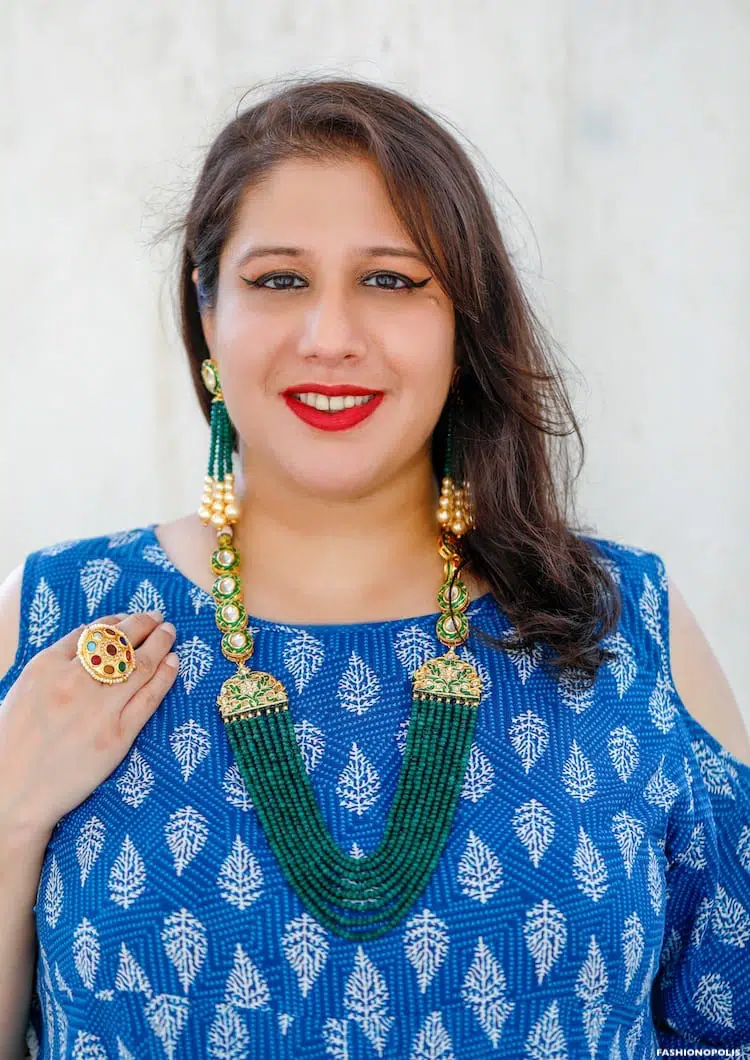
Blue Block Print Kurta with Statement Jewelry
This block print kurta in royal blue, paired with bold green jewelry, creates an effortlessly chic look. The traditional print feels authentic, and the comfortable cut is perfect for all day celebrations. The contrasting jewelry adds character without overshadowing the delicate pattern.
Quick tip
Pack a lightweight dupatta to cover shoulders during religious portions of the ceremony.
Yellow Tiered Maxi with Embellished Top
A sunshine yellow dress with a beaded bodice brings cheer and fluidity to wedding celebrations. The tiered skirt flows gracefully during dancing, and the color photographs wonderfully against typical wedding settings. Choose this for daytime ceremonies where bright hues are encouraged.

Color Block Silk Kurta Set
This multi colored kurta with dhoti pants highlights traditional artistry through its detailed color blocking and embroidery. The loose fit ensures comfort in the heat, while the rich jewel tones feel suitably festive. The dhoti style adds an authentic touch, demonstrating cultural appreciation.

Orange and Red Lehenga with Gold Work
A vibrant orange and red lehenga confidently showcases the most traditional Indian wedding colors. The extensive gold embroidery makes this attire suitable for major ceremony events, and the classic silhouette ensures timeless photographs. Save this choice for couples who have specifically suggested traditional Indian dress.
Quick tip
Opt for statement earrings instead of necklaces when wearing high neck outfits.

Gold Mirror Work Lehengas
These heavily embellished lehengas illustrate that metallic embroidery never competes with the bride; it photographs beautifully in natural light without drawing excessive attention. The intricate mirror work and gold threadwork create a luxurious texture that looks costly in photos but will not outshine the wedding party. They are perfect for guests who appreciate traditional craftsmanship while maintaining appropriate formality.

Red Banarasi Saree with Gold Border
A classic Banarasi weave in a deep red indicates an understanding of the significance of Indian textiles; the gold zari work along the border brilliantly catches light during outdoor ceremonies. This traditional selection is fitting for guests who seek to display cultural respect while appearing refined. The rich red conveys celebration without competing with bridal colors, especially when matched with gold jewelry.

Deep Plum Anarkali with Gold Embellishment
This floor length Anarkali in rich burgundy demonstrates that darker jewel tones photograph better than pastels at evening ceremonies. The gold embroidery adds sufficient visual interest for formal photos, and the full skirt moves elegantly during traditional dances. Opt for this style if you desire coverage and comfort; the fitted bodice is flattering, and the flowing skirt conceals any areas of concern.
Quick tip
Select breathable fabrics like cotton silk for daytime summer ceremonies.

Sky Blue Anarkali with Yellow Dupatta
The contrasting yellow dupatta against powder blue creates a fresh, spring appropriate combination that looks beautiful in outdoor photographs. This color pairing feels festive yet not overly bold, making it perfect for daytime ceremonies where bright colors are expected. The tiered hem adds fluidity, and the contrasting colors prevent the outfit from appearing too monotonous or predictable.

Mint Green Sharara with Golden Dupatta
Sharara pants offer greater freedom of movement than lehengas while retaining the same formal appearance, which is essential for guests who will be standing during long ceremonies. The mint green feels fresh and contemporary, while the gold dupatta adds traditional richness. This combination is especially effective for outdoor summer weddings, where comfort is as important as appearance.

Emerald Green Floor-Length Anarkali
Deep emerald green projects a regal presence without competing with common bridal reds and pinks. The extensive gold embroidery and floor length silhouette make this outfit suitable for the most formal wedding ceremonies. This style works best for guests with medium to deep skin tones, as the rich green can diminish lighter complexions, so consider your undertones carefully.
Quick tip
Bring a small crossbody bag that will not interfere with dancing.

Hot Pink Embroidered Suit
Vibrant pink with gold threadwork achieves the perfect balance between festive and visually appealing; it looks stunning in both indoor and outdoor light. The traditional salwar kameez silhouette offers comfort and cultural appropriateness, while the rich embroidery signifies an investment in quality. Hot pink is particularly effective for guests with warm undertones and adds vibrancy to group wedding photos.

Dusty Rose Palazzo Set
This muted pink demonstrates that palazzo pants can appear just as formal as traditional silhouettes when paired with intricate embroidery. The dusty rose shade photographs beautifully and will not clash with typical wedding color schemes. The bell sleeves introduce a modern touch while maintaining a classic Indian aesthetic, perfect for guests who desire contemporary comfort with timeless appeal.

Navy Blue Anarkali with Gold Details
Navy blue conveys respect and formality, while the gold embroidery ensures your look is not too subdued for a celebration. This color choice is ideal for guests who favor darker shades; it is easier to wear than bright colors and complements most skin tones. The long sleeves and modest neckline make this appropriate for religious ceremonies while still feeling festive.
Quick tip
Test your outfit by sitting and bending; you will be doing both frequently.

Pink and White Floral Saree
A floral print saree provides pattern without excessive embellishment, making it ideal for guests who find heavily beaded outfits overly formal. The pink and white combination feels fresh and feminine, while the traditional draping style shows cultural awareness. This attire is well suited for morning ceremonies or mehendi functions, where lighter, more playful styling is preferred over heavy formal wear.

Gold Embroidered Floor-Length Suit
This golden yellow suit, featuring intricate embroidery, strikes the ideal note for an Indian summer wedding guest. The long tunic over matching trousers creates a respectful silhouette, while the metallic thread work beautifully catches the light. The modest neckline and full coverage ensure it is appropriate for traditional ceremonies while still feeling special enough for photographs.

Key takeaways
Choose jewel tones over pastels; they photograph better and honor the celebration.
Opt for three piece suits instead of lehengas if you are not accustomed to draping; they are easier to wear and move in.
Select fabrics with metallic thread work or beading; they add festive shimmer without being overly flashy.
Ensure full arm and leg coverage for traditional ceremonies, particularly in religious venues.
Prepare for extended ceremony durations by choosing comfortable shoes and breathable fabrics.


